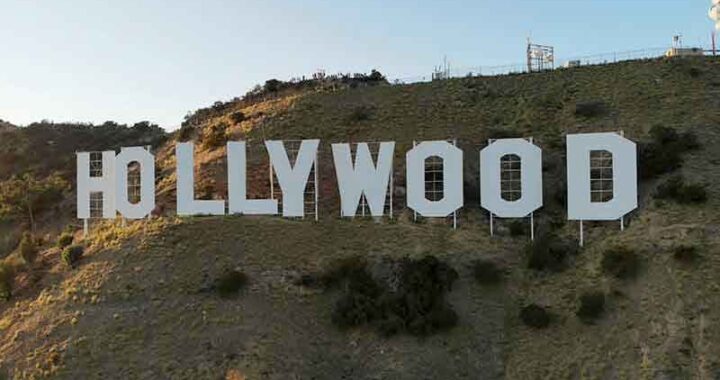
The Hollywood Sign (visit this page) is one of the most recognizable symbols in the world—a towering expression of the glamour, ambition, and myth-making that define the film industry and Los Angeles itself. Perched high on the southern slope of Mount Lee in the Santa Monica Mountains, the sign is visible from miles away, appearing in films, television shows, postcards, and countless tourist photos. Yet despite its iconic status, many people don’t know the full story behind its origins, the materials used in its construction, or how the sign has evolved over the decades. The Hollywood Sign we recognize today is not the original structure but a rebuilt, reinforced version designed to withstand weather, time, and the constant attention it receives. Additionally, the sign sits amid a network of hiking trails that draw visitors from around the world, and one of the best places to photograph it—without getting too close—is the scenic area around Lake Hollywood. Understanding the sign’s construction, history, and surroundings offers a deeper appreciation of this beloved landmark.

Hollywood tour photo of Hollywood sign close up
The Hollywood Sign was erected in 1923, but not as the cultural emblem it would later become. Instead, it served as a giant advertisement for a new real-estate development: Hollywoodland. Developers wanted something bold and attention-grabbing, and the idea of a massive hillside sign—illuminated with thousands of lightbulbs—fit perfectly with the era’s flair for spectacle. The original sign was assembled using simple, inexpensive materials: wood framing and sheet metal panels. Each letter stood about 50 feet tall and was anchored into the rocky hillside using a relatively rudimentary support system. The letters “H,” “O,” “L,” “L,” “Y,” “W,” “O,” “O,” “D,” “L,” “A,” “N,” and “D” were covered in wooden panels and whitewashed to reflect light, making the sign particularly visible from the rapidly developing neighborhoods below.
Most striking at the time was the lighting system. Around 4,000 bulbs outlined the edges of the letters, creating a three-part flashing sequence: “HOLLY,” “WOOD,” and finally “LAND.” The lights were powered by a small caretaker’s cabin built behind the second “L” and were meant to be maintained daily. But the constant strain on the bulbs and electrical systems, combined with harsh weather conditions, quickly caused deterioration. When the real-estate promotion ended, the sign remained—but without the necessary upkeep. The lights went dark, and the structure slowly decayed.
By the 1940s, the “LAND” portion was removed, reflecting a shift from advertising to symbolism. The city of Los Angeles took ownership of the sign in 1944, recognizing that the remaining letters had become deeply associated with the film industry. However, the materials used in the original construction—basic wood and metal sheeting—were not built to last. The sign suffered damage from storms, erosion, vandals, and even accidents; in the 1940s, the “H” famously toppled after the sign’s caretaker crashed a vehicle into it. By the 1970s, nearly every letter was in critical condition, buckling or rotting, with some nearly collapsing under their own weight.
The Hollywood Sign was fully rebuilt in 1978, thanks to a fundraising effort led by prominent celebrities including Hugh Hefner, Gene Autry, and Alice Cooper. This reconstruction marked a major shift in materials and engineering, transitioning from the flimsy construction of the 1920s to a modern, robust design capable of withstanding decades of exposure. The current letters are built from steel—all-metal constructions far more durable than their predecessors. Each letter stands 45 feet tall and is anchored into the hillside with steel columns set deep into concrete footings. The steel panels are coated with protective paint, making them weather-resistant and significantly more stable than the old wood-and-sheet-metal design. Each letter weighs several tons, and together the sign forms a massive structural installation engineered for long-term survival.
While the materials and design make the Hollywood Sign highly durable, they also impose strict limits on public access. The hillside terrain is steep, the letters themselves are large enough for people to climb, and vandalism would be a constant threat if the area were open. For this reason, the sign is protected by fences, cameras, and motion sensors. Despite this, the area surrounding the sign remains a popular destination for hikers, sightseers, and photographers who want to experience the Hollywood Hills and catch a glimpse of the landmark.
The hiking trails near the sign are among the most popular in Los Angeles. These trails wind through Griffith Park, offering panoramic views of downtown Los Angeles, the San Fernando Valley, and the sprawling neighborhoods below. One of the most well-traveled routes is the Brush Canyon Trail, which ascends gradually and eventually leads hikers to a vantage point behind the sign. From this location, visitors can look down on the giant white steel letters and enjoy a sweeping view of the city. Another popular trail is the Mt. Hollywood Trail, which offers a more distant but beautiful view of the sign along with excellent city overlooks. The Cahuenga Peak and Mount Lee trails offer more challenging routes that lead to rugged ridges and quieter vistas. Because the area is part of Griffith Park—the largest municipal park in the United States with wilderness areas—these trails provide not only cultural experiences but also encounters with local wildlife such as coyotes, birds of prey, and deer.
For those who want great photos of the Hollywood Sign without hiking, one of the best places to go is the area near Lake Hollywood. The Lake Hollywood Reservoir, encircled by a paved walking path and surrounded by rolling hills, offers a calm and scenic setting. From various points along the western edge of the reservoir, the sign stands prominently in the background, framed by pine trees, hillsides, and reflections on the lake’s surface. This spot is popular with photographers because it provides a clear, unobstructed view of the sign while still preserving distance. It’s one of the few places where the sign looks both majestic and proportional, the massive letters perfectly positioned on the hillside. The reservoir area is also quieter and less crowded than the main Griffith Park trails, making it ideal for leisurely strolls and peaceful sightseeing.
Throughout its history, the Hollywood Sign has been repaired, repainted, and reinforced multiple times. The steel letters require regular upkeep—mainly painting and rust prevention—to ensure they maintain their bright white appearance and structural integrity. Workers occasionally rappel down the steep hillside to access each letter for inspection, repainting, or repair. The process is labor-intensive but crucial for preserving this cultural landmark. Weather, wind, earthquakes, and the intense California sun all place stress on the steel and foundations, but modern engineering ensures the sign remains secure. Its current materials—heavy-gauge steel, reinforced anchor points, and durable coatings—are intended to withstand these environmental challenges over decades.
The sign’s cultural significance cannot be overstated. It has appeared in major Hollywood productions, from comedies to action films, serving as a visual shorthand for ambition, fame, and the entertainment industry. The sign evokes a sense of possibility; for decades, aspiring actors, writers, and directors have arrived in Los Angeles with the image of the sign fresh in their minds. It represents both the myth and the reality of Hollywood—glamour and hard work, fantasy and ambition. Its presence on Mount Lee is as much psychological as physical, forming part of the mental geography of the city.
In addition to its cinematic presence, the Hollywood Sign also reflects the changing identity of Los Angeles. Originally a symbol of real-estate promotion, it transformed into an emblem of the entertainment industry, only to become a global cultural icon. The materials used in its construction—first flimsy wood and tin, now industrial-grade steel—mirror the evolution of Los Angeles from a small community to a major metropolis. The sign’s preservation efforts also reflect the city’s commitment to maintaining its cultural heritage. What began as a temporary advertisement has become a permanently protected symbol of Southern California.
The Hollywood Sign also highlights the relationship between nature and urban life in Los Angeles. Nestled in the rugged terrain of Griffith Park, it sits at the intersection of wilderness and civilization. The park’s trails allow residents and visitors to immerse themselves in nature while remaining close to the city. The presence of the sign within this setting adds a layer of mystique—an iconic man-made structure standing proudly above a landscape rich with natural beauty. The trails near the sign provide a reminder that Los Angeles, despite its urban sprawl, still values outdoor recreation and environmental preservation.
Ultimately, the Hollywood Sign’s enduring appeal rests not only in its striking appearance or cultural symbolism but also in its engineering and material evolution. From its simple beginnings as a wooden advertisement to its modern steel reconstruction, the sign reflects nearly a century of growth, reinvention, and resilience. Its sturdy materials allow it to endure harsh elements, while its protected location ensures its legacy for future generations. Whether admired from a hiking trail, photographed from Lake Hollywood, or glimpsed from afar while driving along the 101, the sign remains a powerful symbol of creativity, hope, and the enduring allure of Hollywood itself.